
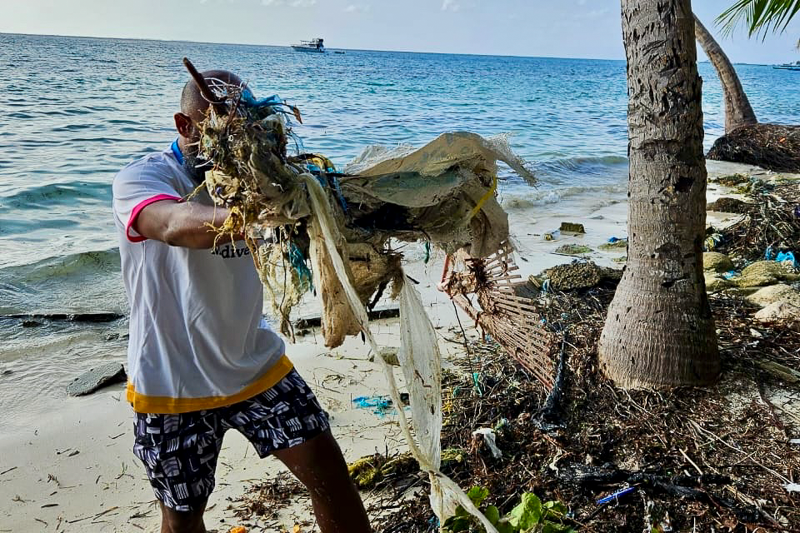
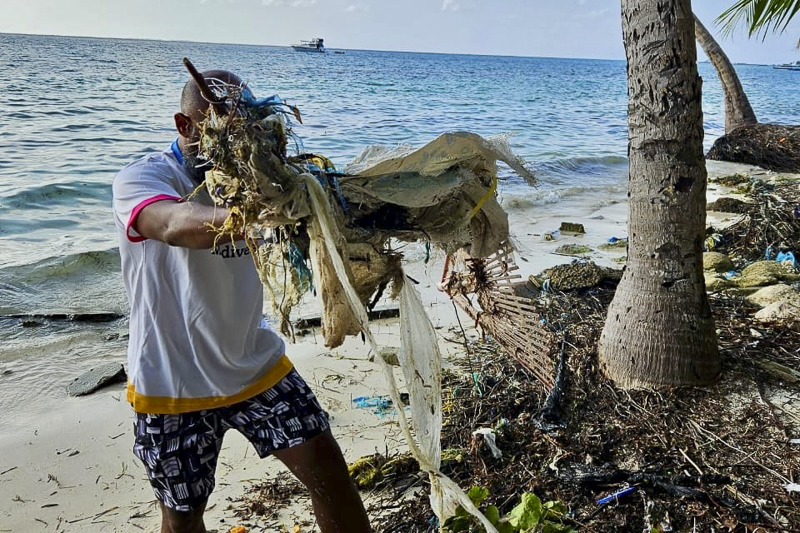
Every piece of plastic removed from a forest floor, every cigarette butt collected from a riverbank, every tyre pulled from a wetland is more than a cleanup act. These are small but deliberate interventions in one of the most complex and fragile aspects of life on Earth – biodiversity.
On 22 May, the world marked the International Day for Biological Diversity, a UN-designated moment to reflect on the richness of life that sustains our planet and the growing threats it faces. At Let's Do It World, this date has a special place on our calendar – sitting at the very heart of why our movement exists.
Pollution and biodiversity loss are deeply intertwined. Mismanaged waste is one of the leading drivers of ecosystem degradation globally. Plastic fragments contaminate soil and waterways, disrupting the reproductive cycles of insects, amphibians and marine life. Illegal dumpsites leach toxic chemicals into groundwater. Litter in forests and fields creates physical barriers that alter the movement, feeding and nesting behaviours of wildlife.
According to the UN Environment Programme, plastic pollution alone affects more than 800 species worldwide. Biodiversity – the variety of life forms that regulate our climate, purify our water, pollinate our crops and sustain human health – is being silently eroded by the accumulation of waste in places it was never meant to be.
Let's Do It World operates across more than 190 countries, having mobilised over 139 million volunteers across eight consecutive World Cleanup Days. What this movement has always understood, even before it was framed in scientific terms, is that a healthy environment requires active human stewardship – not just policy, but presence. When volunteers gather in mangroves in Indonesia, savannahs in Kenya, mountain trails in Georgia or urban parks in Estonia, they are not simply tidying up. They are restoring the conditions under which biodiversity can recover.
Cleaned waterways allow fish populations to stabilise. Litter-free forests reduce the risk of fire and habitat fragmentation. Healthy soil – freed from plastic contamination – supports the microbial communities that underpin entire food webs.
Biodiversity is not a specialist concern. It is the operating system of life on Earth. Every ecosystem service that human societies depend on – clean air, fresh water, a stable climate and food security – is delivered by the diversity of species and habitats that evolution has assembled over millions of years.
Let's Do It World was built on a simple but profound insight: that collective civic action, at scale, can restore what neglect has damaged. This insight is entirely consistent with the science of biodiversity recovery. Ecosystems do not need to be engineered back to health – they need pressures to be removed. Waste is one of those pressures. Removing it is one of the most direct contributions a citizen can make to the living world.
This year, as we marked 22 May, Let's Do It World joined a global chorus of voices calling for urgent, sustained action to protect biological diversity. But for us, celebration has always been tied to action. Awareness without mobilisation changes nothing. The work continues – in communities, schools, national parks and city streets – because biodiversity does not recover on a single designated day. It recovers when millions of people, year after year, choose to act. That is the promise of our movement. And it is a promise we intend to keep.



.svg)