
Some clean-ups end with a full bag of litter. Others end with a government finally saying yes, or a group of children who weren't supposed to be there teaching the adults something about why this work matters. In this instalment of our series, we're looking at two country leaders whose stories aren't really about the trash they picked up – they're about what it took to get people, communities, and institutions to show up in the first place.
From a years-long standoff with a government in the Bahamas to an unexpected discovery on a Karachi shoreline, these are the moments that stuck with them – and the lessons they're still passing on ahead of World Cleanup Day 2026.
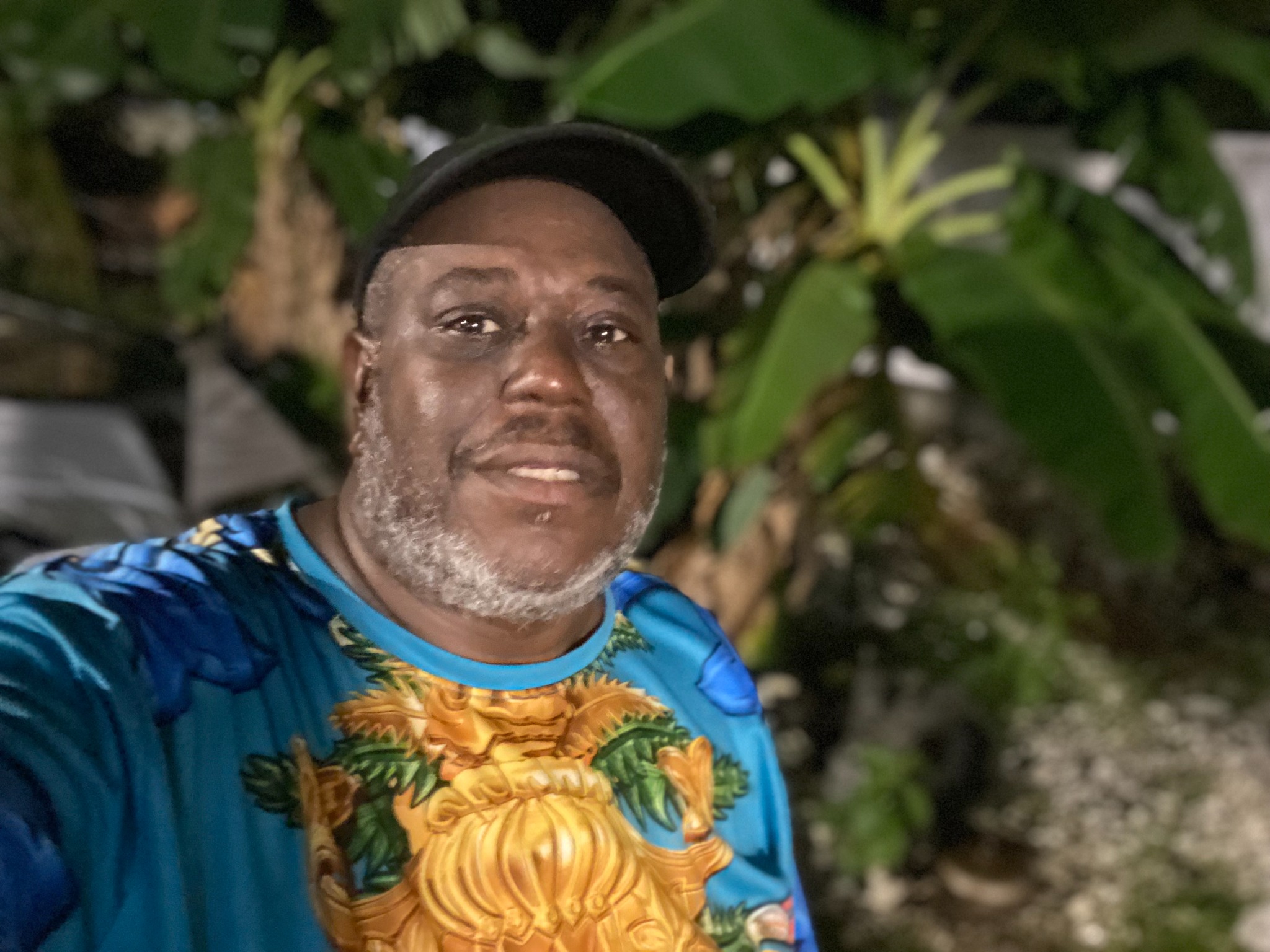
In the Bahamas, Country Leader Andrew Rolle – known to many in the movement as Conchalay Conchalar – has spent years pushing for something that, in many countries, is a given: government participation in World Cleanup Day.
For years, Andrew worked to bring the Bahamian government on board as a genuine partner. Since 2018, he had been asking for straightforward collaboration – not a takeover of the programme or a shift toward political branding. He held firmly to the belief that World Cleanup Day belongs to every citizen, not to any one institution or agenda, and stayed patient through years of slow, uneven progress.
Then came a turning point: a frank, direct conversation with the country's Minister of Environment that ended with the Minister agreeing to get involved. Not long after, he took part in World Cleanup Day himself, standing alongside the volunteers who had spent years asking for exactly that.
It was the moment Andrew had been working toward since 2018, and it set off a shift that went beyond a single event.
“We start putting things in place for World Cleanup Day,” he says of what followed – the first real groundwork for a lasting government relationship, built out of a conversation that finally went the other way.
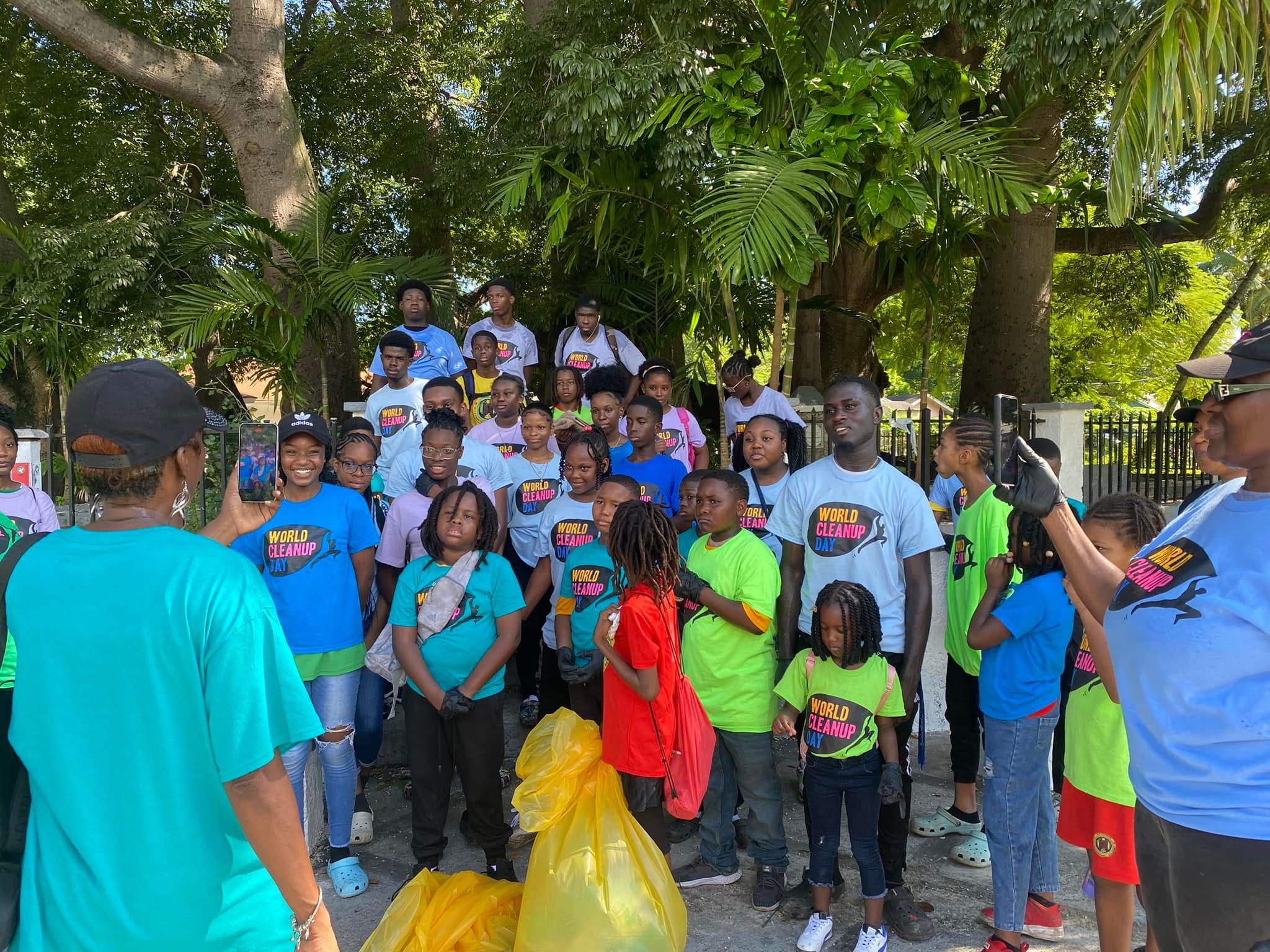
In a bittersweet twist, the Minister who helped open that door has since passed away. Andrew now speaks of him with real gratitude, crediting him with finally making possible a partnership that had taken years to secure.
Stories like this speak to something the wider World Cleanup Day movement has learned again and again: real, lasting change needs everyone at the table. The movement works toward the well-known "5% rule" – the idea that once roughly 5% of a population takes visible, coordinated action, it can tip an entire society toward a new norm. Reaching that kind of scale rarely happens through volunteers alone. It takes government support to open doors, media coverage to carry the message further, and citizens who keep showing up. Together, that combination is one of the most effective ways to turn a single clean-up into a lasting shift in how a whole country treats its environment. Encouragingly, the Let's Do It World Annual Survey shows this kind of government participation is growing worldwide, with more national and local authorities getting formally involved in World Cleanup Day each year – a sign that stories like Andrew's are becoming less the exception and more the norm.
For anyone taking part in a clean-up, Andrew's advice is practical and hard-won: wear gloves, closed-toe shoes, and use litter pickers where available to avoid injury from sharp or contaminated waste, and always wash your hands thoroughly afterward. Beyond the clean-up itself, he points to the habits that prevent the need for one in the first place – carrying reusable bags and water bottles, refusing to litter, and encouraging others to do the same.
“Small everyday actions can significantly reduce waste,” he says, “and help protect the environment for future generations.”

In Karachi, Country Leader Abdul Haque set out with his volunteers for what looked, at first, like a straightforward World Cleanup Day shoreline clean-up. The team worked along the sand, collecting plastic bottles, food wrappers, and discarded fishing nets. From a distance, the area looked reasonably clean.
It didn't stay that way for long. As volunteers moved closer to the rocks and bushes lining the shore, they began uncovering large amounts of litter that had been sitting there, out of sight, for who knows how long. "The volunteers were surprised by how much waste had been hidden beneath the surface," Abdul says – trash tucked into places no one would notice unless they went looking. It became one of the most memorable moments of the day.
But what stayed with Abdul most wasn't the hidden waste – it was who showed up to help clear it. Local children, drawn in by the activity, started picking up litter alongside the adult volunteers. "At first, I expected only the volunteers to pick up the trash," he says. "But the children became actively involved and helped collect litter from the roadside."
Watching people of different ages and backgrounds working toward the same goal became the real highlight of the day. "The enthusiasm of the children made me realise that even small actions can encourage a whole community to care more about the environment," he says.
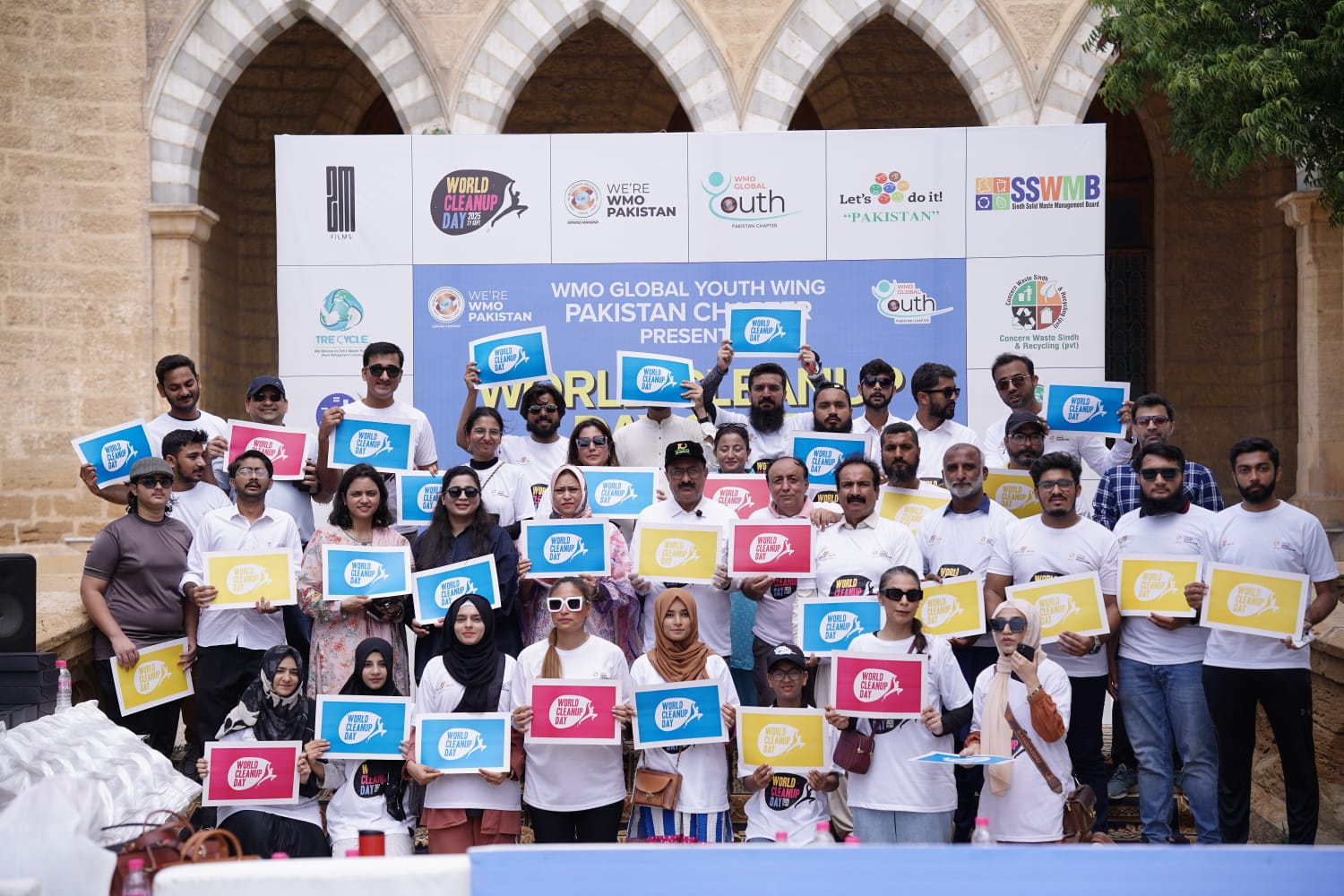
The clean-up didn't end when the last bag was tied off. Sorting through what they'd collected drove home, for many volunteers, just how much impact everyday littering has – and how much responsible disposal and recycling could change. Afterward, volunteers carried that lesson home, sharing what they'd seen and learned with friends, family, and their wider communities. For Abdul, that ripple effect is the real takeaway: "Community action can make a real difference. Protecting the environment is everyone's responsibility, and small actions by individuals can lead to significant positive change."
His advice to others is refreshingly simple, and it comes from someone who's still very much in the fight. "Keep going, keep posting, don't stop – someone will hear you," he says. He should know: with a new Minister of Environment now in office, Abdul is already starting the conversation over again.
The Bahamas and Pakistan sit an ocean apart, and their stories look nothing alike on the surface – one is about years of political resistance finally giving way, the other about litter hiding in plain sight along a shoreline. And yet both leaders arrive at the same place: change shows up the moment someone refuses to stop asking, and a community starts to see what it had been walking past all along.
That's what this series keeps turning up – it's rarely the clean-up itself that changes people. It's the argument that finally lands, the child who wasn't asked to help but did anyway, the door that stays shut for years until, one day, it doesn't. Andrew and Abdul are still in it, still knocking, still picking up the next bag of litter – and that's exactly how this movement keeps moving.
World Cleanup Day 2026 takes place on 20 September. These stories are part of an ongoing series spotlighting the country leaders who make the world’s largest civic clean-up movement possible.



.svg)