
In last month’s article, ‘More Than Mending’, we explored how fashion impacts our environment. Rivers in manufacturing regions turn toxic from synthetic dyes, tonnes of CO₂ emissions are released into the air, and mountains of textile waste grow faster than they can be recycled or repurposed.
Behind every dress, T-shirt, or pair of jeans stands a global system whose true cost is not reflected on the price tag. Alongside the price the planet and its inhabitants pay with polluted environments, a heavy burden of cost lands directly on the shoulders of garment workers.
Fast fashion operates on a model that relies on constant production and an uninterrupted flow of new collections. The goal is to keep prices as low as possible and push consumers to buy ever more frequently. Over the last twenty years, global clothing production has doubled, while the lifespan of a single garment has significantly decreased1.
Today, an estimated more than 100 billion garments are produced globally each year2. Fast fashion brands introduce new product lines sometimes even weekly, fuelling overproduction and increasing the environmental footprint of the textile industry.
These vast production volumes are sustained largely because manufacturing takes place in countries where labour costs are extremely low and regulations weak. Consumers in wealthier countries can buy cheap clothing, but the real price is paid by the people living and working in manufacturing regions, and by nature.
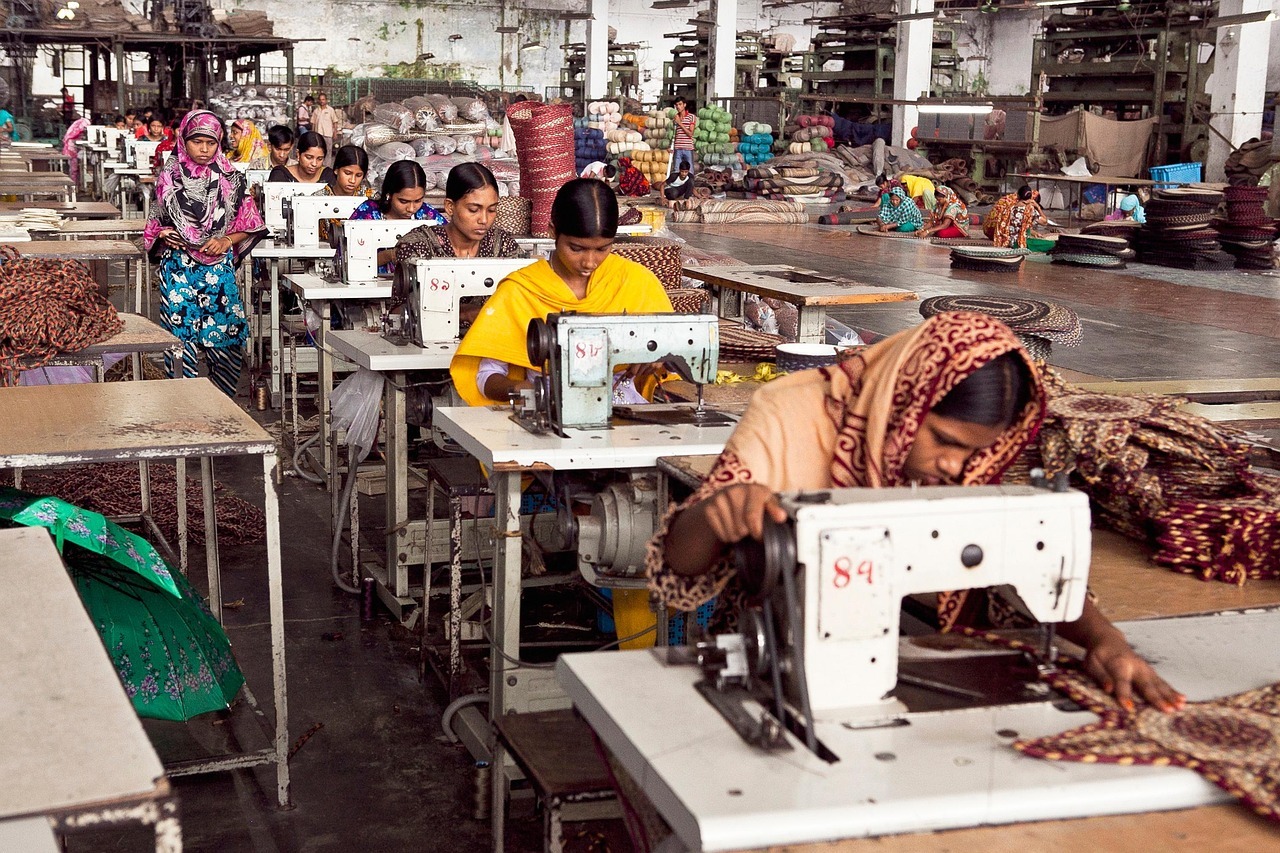
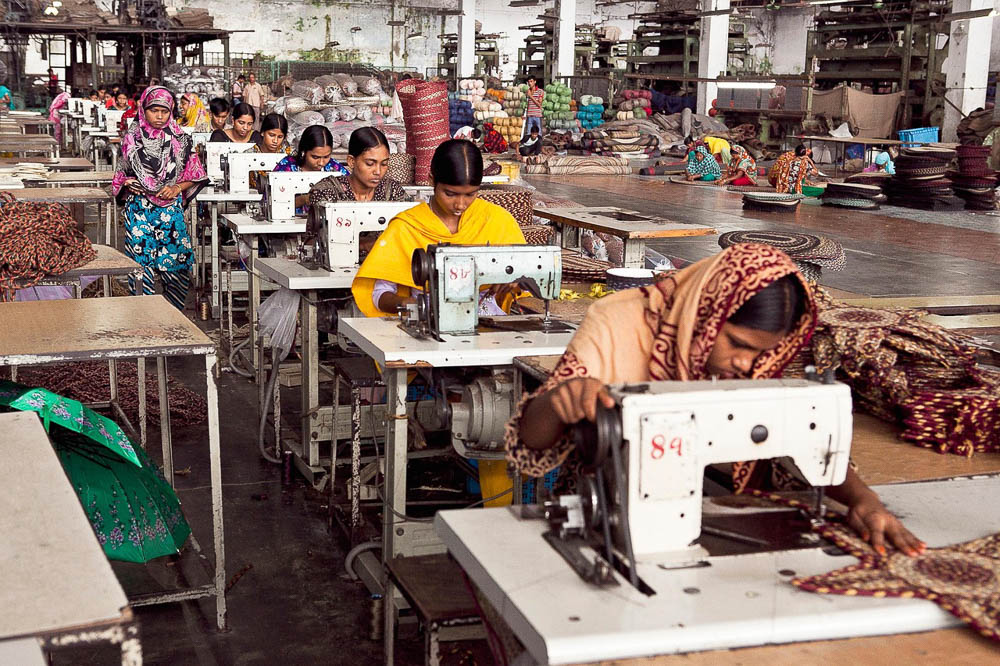
Most garment workers are young women—up to 80% of the workforce in many regions—and who have limited employment opportunities. The global textile industry employs around 300 million people, most in low-income developing countries, and fewer than 2% of companies report paying a living wage to all their workers globally3. Such low wages force workers to work excessive overtime just to cover basic necessities of food, rent, and school supplies. Saying “no” is often not an option.
On top of this, working conditions are extremely demanding. High production quotas push workers into long shifts of up to 16 hours, seven days per week, leaving them exhausted and at risk of injuries and health problems. Failing to meet quotas can carry harsh consequences: wages may be withheld, or workers may even be fired4.
It’s not only the long hours that pose health risks; safety standards are often minimal too. Many factories lack proper ventilation, fire exits, or structural checks, with workers exposed to toxic chemicals, dust, and dangerous conditions5.
Unstable employment relationships worsen the situation further. Many workers have no permanent contracts, meaning they can lose their job without notice or compensation—making standing up against gender discrimination or working conditions almost impossible. In too many factories, workers are treated as “flexible production assets,” not human beings with rights6.
These issues are not isolated to one particular country or region; they form part of a global system built on vulnerable workers and fast, disposable clothing. The human cost is woven into the system—just as waste is woven into the clothes themselves through their planned disposability.
Let’s Do It World’s primary focus has always been the waste crisis—the 92 million tonnes of textiles discarded annually, often after being worn only 7–10 times7. But this waste problem is inseparable from the system within which clothing is produced.
Overproduction chokes ecosystems with chemicals and CO₂—and it also fuels a labour system strained to breaking point. When we challenge the wastefulness of fast fashion, we’re pushing back against a model that undervalues both people and resources. When human life and nature are valued and protected, the planet and all its inhabitants will cease to suffer such unnecessarily burdens.
The true cost of fast fashion is not a hidden secret anymore. We know that behind cheap clothing lie overworked factory workers, polluted rivers, rising carbon emissions, and mountains of discarded garments. Yet solutions exist—and most of them are in our own hands.
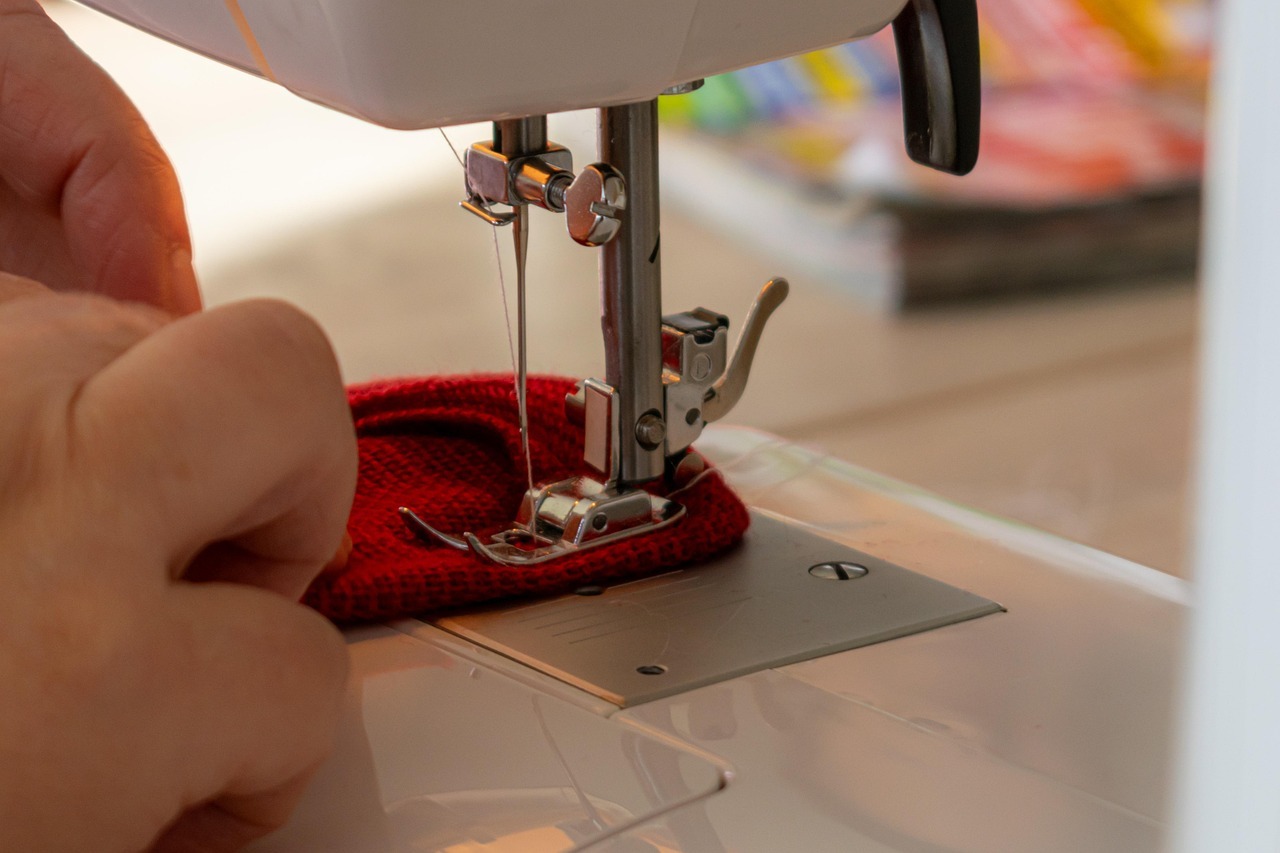
Every time we choose repair or redesign, buy fewer but better garments, support local makers, or opt for circular-design products, we send a clear message: we refuse to consume at the expense of people and the planet.
Change begins with small steps—a shorter shopping list, a repaired seam, a second-hand find, or a creatively redesigned piece. If everyone reduced new clothing purchases by even one-third, it would slow overproduction significantly and reduce its social and environmental toll.
The circular economy is not abstract or complicated—it is a practical, everyday way to create a more sustainable world. Our choices shape the market, influence production, and relieve pressure on ecosystems and people.
Cheap fashion does not have to come at a high cost to the planet or its people. By valuing the textiles we already have and giving clothes a new life, we collectively move towards a future where garments are not quick waste but meaningful, long-lasting, responsibly made items.
***
Kristel Pachel is an Estonian textile upcycling expert and sustainability advocate, known for her hands-on work in reducing textile waste through creative repair. As the founder of Disainihoov, she leads workshops, mentoring programmes, and community initiatives that teach people how to extend the life of garments using simple techniques.



.svg)