On 20 September 2026, millions of people in more than 192 countries and territories did the same simple thing on the same day: they went outside and cleaned the place they live. It was the ninth global World Cleanup Day, and the first in which the movement openly said that cleaning is no longer the goal, only the doorway.
Presidents and first ladies picked up litter beside schoolchildren. Twenty-seven volunteers cleared an uninhabited North Sea island. A million Brazilian students were asked to see themselves as the five percent who change the world. And from Riga, Tallinn and Kyiv, three cities to work on that day to show and bring whole Let’s Do It World global network together with call - and media center and live Broadcast- that know what collective courage costs, the day was stitched together into one live, global story.
What began in Estonia in 2008, when 50,000 people cleaned the whole country in five hours, has become something closer to civic infrastructure for humanity: a network that can mobilise on a planetary scale, on a date now written into the UN calendar.
The 2026 World Cleanup Day campaign rests on a single, testable idea. When roughly 5% of a population acts together, a behavior stops being exceptional and starts becoming a social norm. That threshold is what "Strive for Five" names, and it was launched on World Environment Day, 5 June, as the year's call to action.
The shift in emphasis was deliberate. As we put it in the campaign launch, the movement no longer wants to focus only on waste that already exists - it wants to ask how we generate less of it, change how we consume, and strengthen communities so that one day leaves a lasting mark.
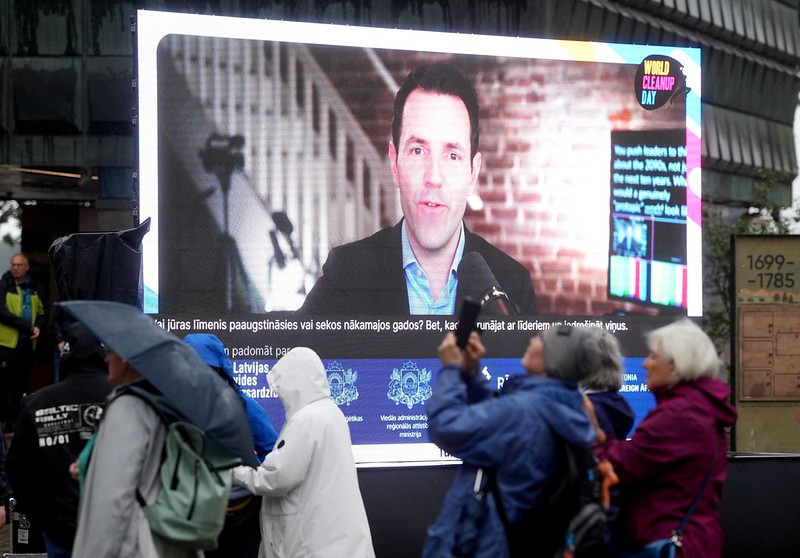
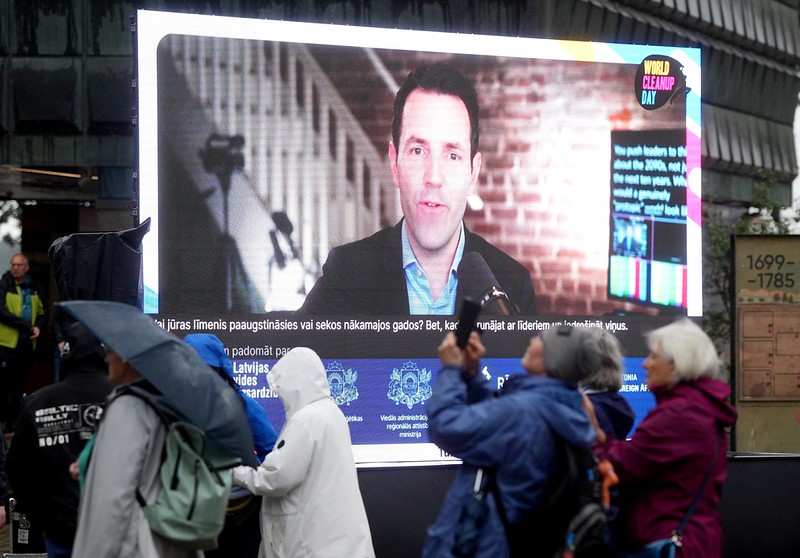
This year the global day was coordinated from three cities at once. Riga hosted the International Broadcast from City Hall, with a public WCD Village on Town Hall Square. Tallinn ran the Global Call Center, keeping live contact with country teams. Kyiv, which had carried the whole day in 2025 amid war, hosted the Global Media Center.
The broadcast went out in two live windows, morning and afternoon, with countries joining through thematic "World in Action" rounds. Riga's mayor, Viesturs Kleinbergs, called it symbolic that the story of the world's cleanup should be told from a city where volunteering has long been more than a single day's effort.
The arrangement carried its own message. Sharing coordination across Latvia, Estonia and Ukraine showed that the network operates as one body, even under pressure. The broadcast was made possible by the Latvian Environmental Protection Fund, and the year's work by the Estonian Ministry of Foreign Affairs.
The official UN observance took place in Shaoxing, in China's Zhejiang Province, from 19 to 21 September. It was co-hosted by UN-Habitat and China's Ministry of Housing and Urban-Rural Development, under the theme "From Clean Plates to Clean Cities", and drew around 800 officials, experts and international representatives.
Heidi Solba took part in the inauguration, representing the movement that started with one small country's five-hour cleanup. Her message to governments was direct: World Cleanup Day is a platform for cooperation, a trusted bridge between states and civil society, and a strong civic muscle able to mobilise at massive scale.
That bridge has a legal foundation. In December 2023 the UN General Assembly unanimously adopted Resolution 78/122, initiated by Estonia's foreign and climate ministries together with Let's Do It World, proclaiming 20 September as World Cleanup Day. The President of the European Parliament, Roberta Metsola, served as patron of the 2026 edition.
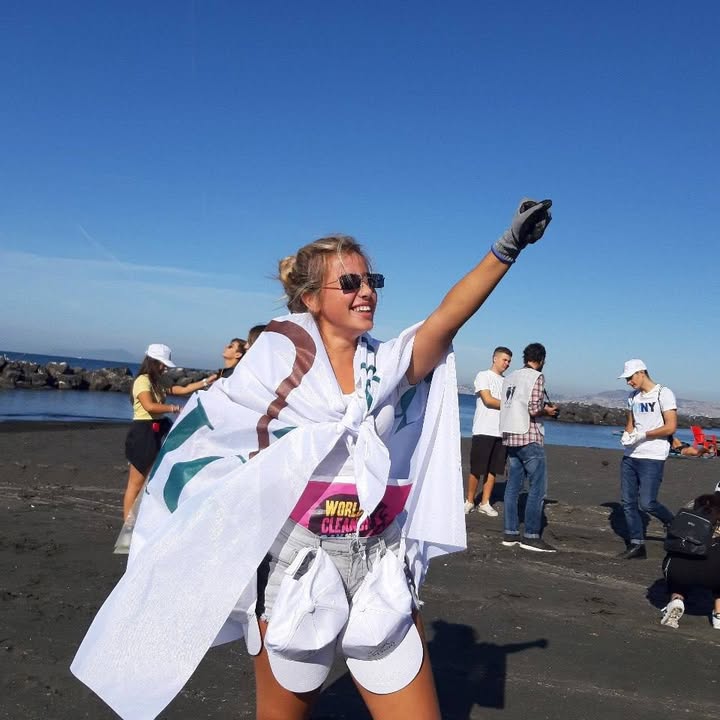
In 2026, leadership was measured in gloves and bags. Namibia's President Netumbo Nandi-Ndaitwah used the day to relaunch the national Cleanup Namibia Campaign. In Zimbabwe, the national commemoration in Harare took place under the patronage of First Lady Dr Auxillia Mnangagwa, who tied clean communities to the country's tourism future.
In Estonia, Foreign Minister Margus Tsahkna cleaned Tallinn's Linnahall area with the diplomatic corps, while Estonian embassies joined cleanups in their host countries, including in Vietnam, where the chargé d'affaires opened the Hanoi launch. Jordan's Ministry of Environment led cleanups across ten governorates, bringing together agencies, security services, municipalities and schools.
Across the European Union the day was a flagship date, with EU Delegations cleaning from Buenos Aires to the Ecuadorian Amazon. In Germany, Bonn served as the national hub, opened with an inclusive football match under the patronage of Mayor Guido Déus.
The numbers matter, but the stories are what people remember. In Brazil, the Let’s Do It World network organization, Instituto Limpa Brasil, reached more than one million students with a single invitation: "Be the 5% who will change the world." Its director, Edilainne Muniz Pereira, described it as shaping a new generation of leaders, not just organising a cleanup.
In Senegal, the EU Delegation, the City of Dakar and the Dakar 2026 Youth Olympic Games committee cleaned all 19 municipalities of the capital, ahead of the first Olympic event ever hosted in Africa. Let's Do It Senegal called it the seed of a permanent ecological legacy.
On Mellum, an uninhabited island in the North Sea, just 27 volunteers hauled out around 15 cubic metres of washed-up rubbish, proof that waste reaches even places no one lives.
In Windhoek, Namibian entertainers including Gazza, Lize Ehlers and Adriano Visagie joined a Celebrity Clean-Up.
In Oman, singer and Guinness World Record holder Fahad Al Abri led the day, his song "The Earth Is Entrusted to Us" sending young Omanis to their beaches.
The pattern repeated everywhere. More than 10,000 volunteers in 22 Vietnamese provinces and cities tackled single-use plastic at source. In Bahrain, one beach cleanup at Malkiya removed 1.22 tonnes of waste. Japan counted cleanups throughout September with a national target of 50,000 people.
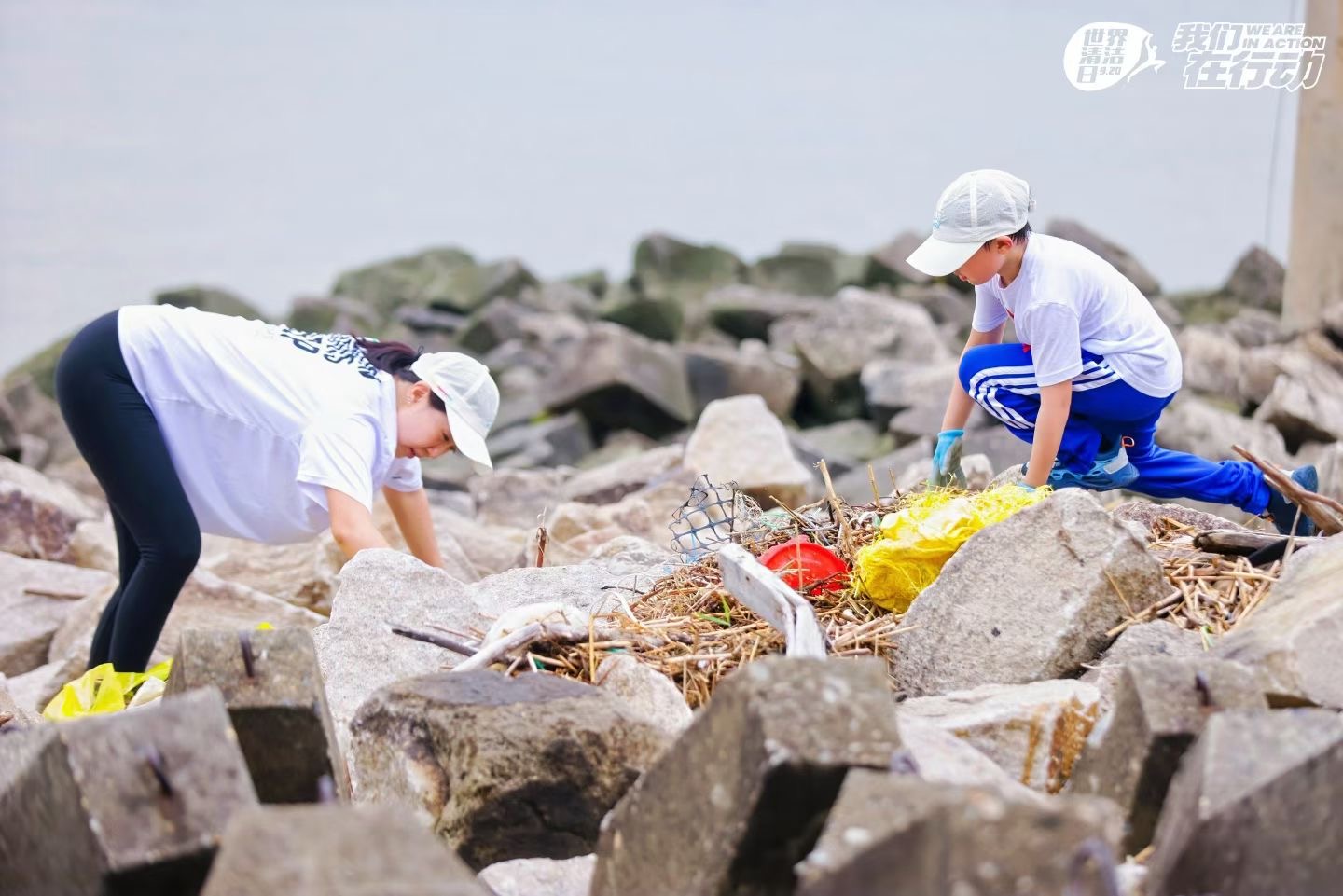
Preliminary data show millions of participants in more than 192 countries and territories in 2026; final figures will follow once national teams verify their results. The longer arc tells the story of scale.
The 2026 edition marked a turn from cleaning up to changing habits, and the next test is whether that turn holds between the big days. The 5% threshold is not reached in a single September; it is built school by school, city by city, government by government.
The next World Cleanup Day takes place around 20 September 2027.
Until then, the invitation stays the same as it was in Estonia in 2008: show up, bring someone, and discover how much changes when enough of us act together.